
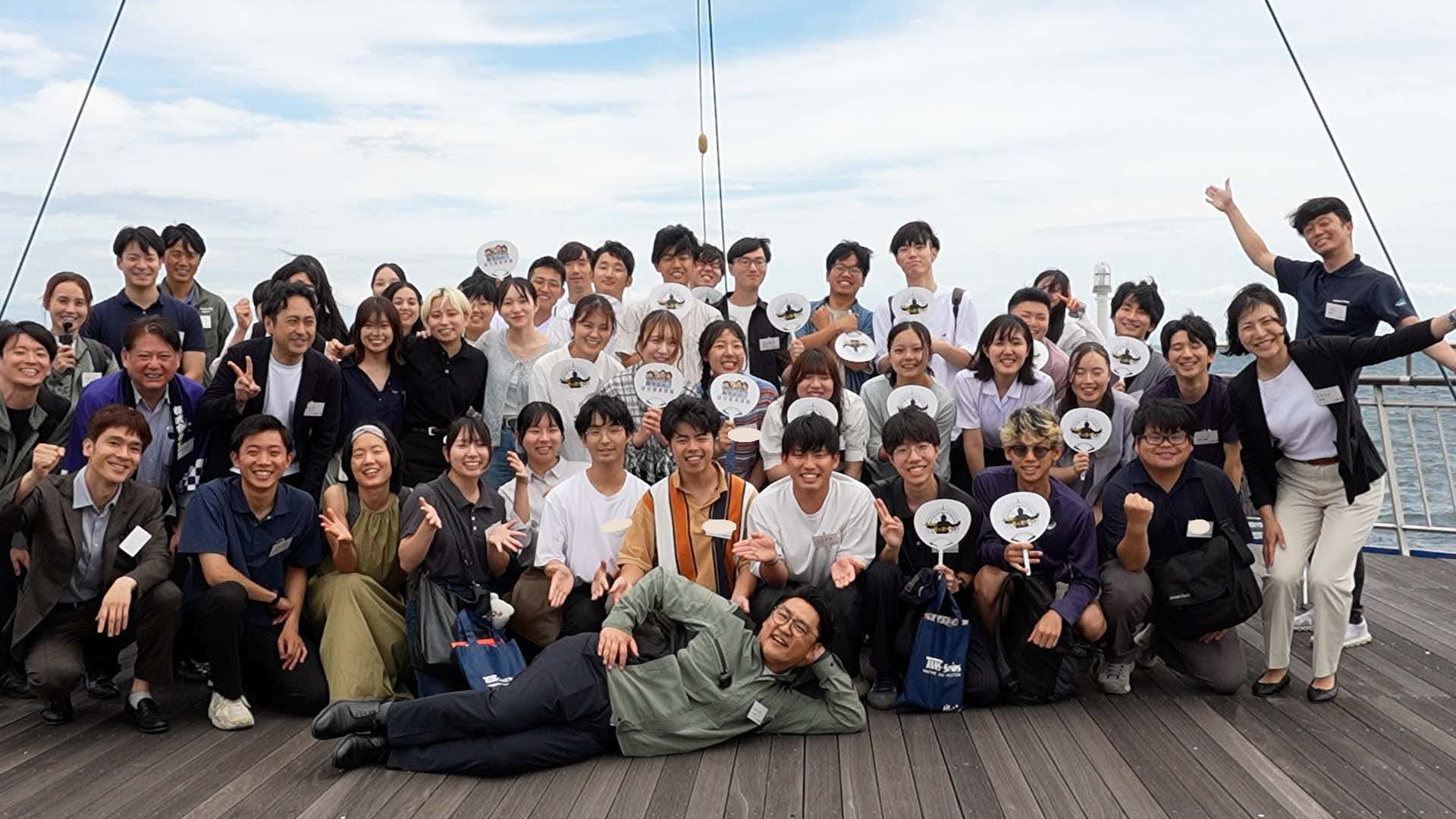
Participants gather for a group photo on the ship’s deck at the close of the event.
On 21 June 2026, a Maritime Cluster Exchange Event related to the Day of the Seafarer was held in Kobe, Japan, bringing together students, shipping companies, and maritime-related professionals. Students from several maritime-related educational institutions joined the event, including students from Kobe University, one of IAMU’s member universities.
The event was organized as part of efforts to raise awareness of the Day of the Seafarer in Japan. The Japanese campaign message, which can be understood as “making appreciation visible for work that often goes unseen,” was reflected throughout the event. Seafarers’ work is not always visible in everyday life, yet it forms an essential foundation for logistics, daily life, and society as a whole.
During the event, students took part in group activities, a maritime quiz, and informal exchanges with members of the maritime cluster. They also worked in teams to prepare short messages for seafarers in connection with the Day of the Seafarer. Through these activities, students had an opportunity to think about the role of seafarers and to express appreciation for the people who support Japan’s maritime transport and logistics.The quiz session introduced students to practical aspects of the maritime sector, including shipping, ship handling, pilotage, seafarer training, simulator-based education, and emerging maritime technologies. Maritime professionals also shared their perspectives on the realities of the industry, including working conditions, health management, women’s careers at sea, and efforts to make maritime work more visible and attractive to the next generation.


During the free time following the group photo session, several Kobe University students shared their motivations for studying maritime and ocean-related fields, as well as their future aspirations. The interviews showed that the students’ interest in their studies began from different points. Some spoke about a long-standing interest in the sea, ships, and ports. Others were drawn to maritime and ocean-related studies through interests in energy, marine resources, machinery, or environmental fields. Rather than following a single path, the students connected the sea with a variety of academic interests.
For students considering seagoing careers, their motivations were also diverse. They spoke about the appeal of operating large vessels, the rare chance to live on board during training, the attraction of ocean-going ships, and a long-standing interest in ships, ports, and the sea. Their comments also reflected an awareness of the role of maritime transport in supporting people’s lives and connecting Japan with the world.
The interviews also highlighted future interests beyond seagoing careers. Some students were interested in marine resources, environmental fields, or research-related work. Their comments suggested that maritime and ocean-related education can lead to many different forms of contribution, both at sea and in wider ocean-related fields.
A notable point from the interviews was that all the students already had a clear awareness of how their interests could connect to society, including those who were still in the early stages of their university studies. Their aspirations were not based only on admiration for ships or the sea, but also on a desire to support people’s lives, and contribute to the future of the maritime and ocean sectors.
Several students also reflected on the possibility of contributing to education after gaining professional experience. They saw value in bringing their professional experience back into maritime education and training later in their careers and helping to support the next generation of maritime professionals.

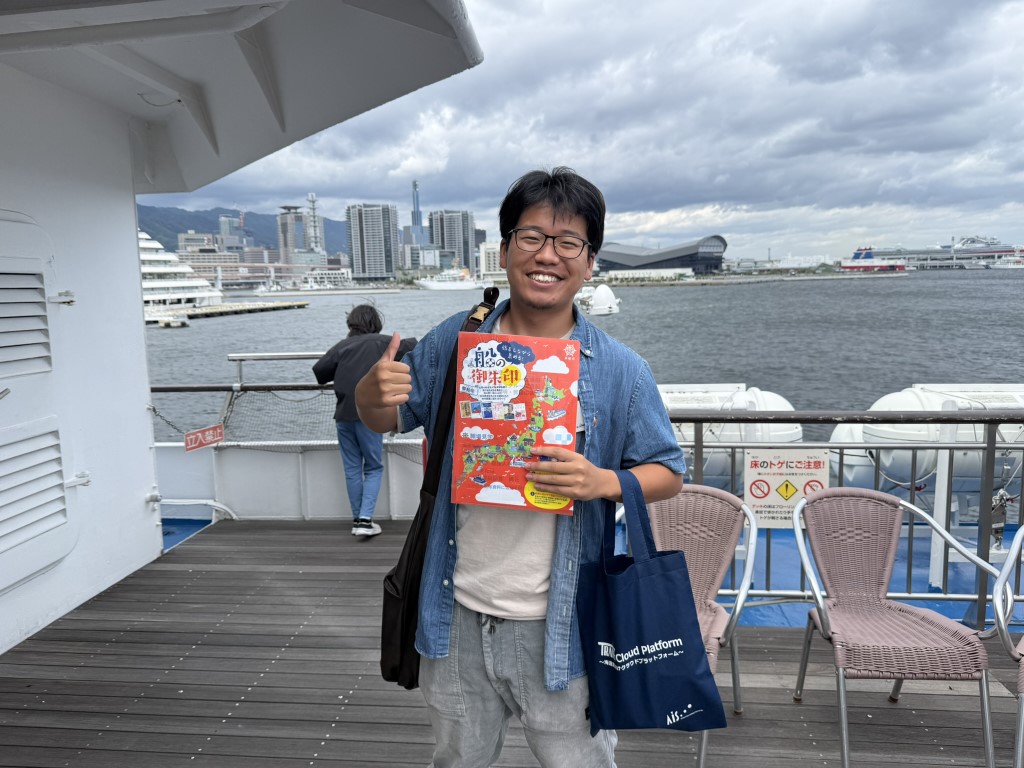
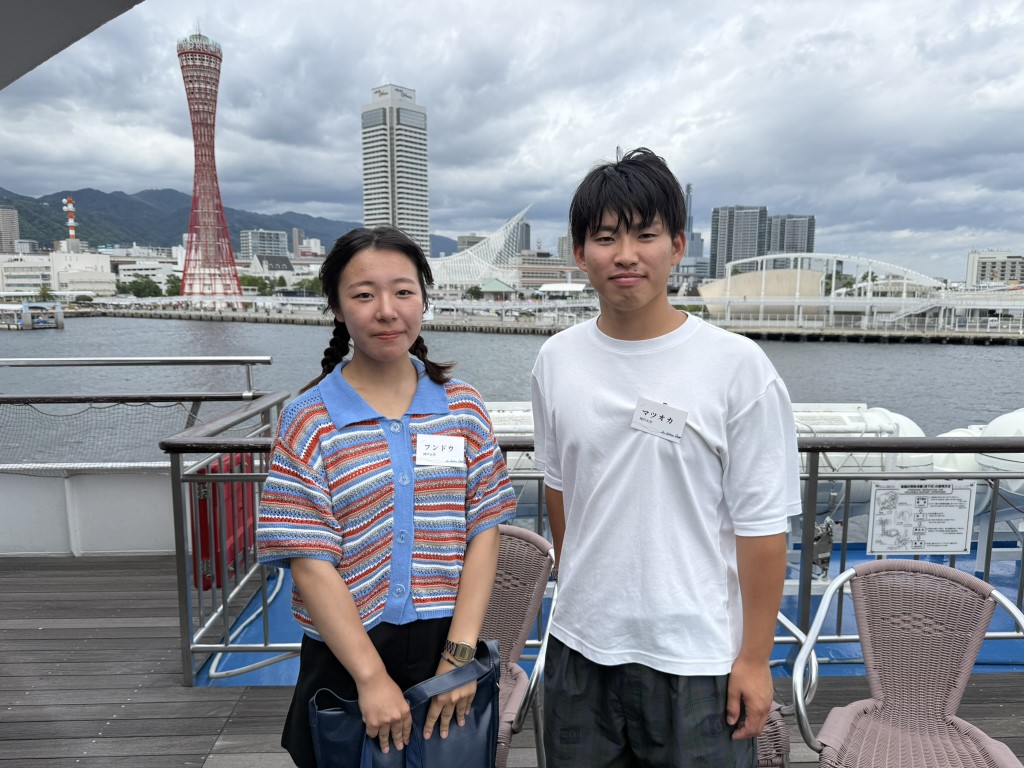
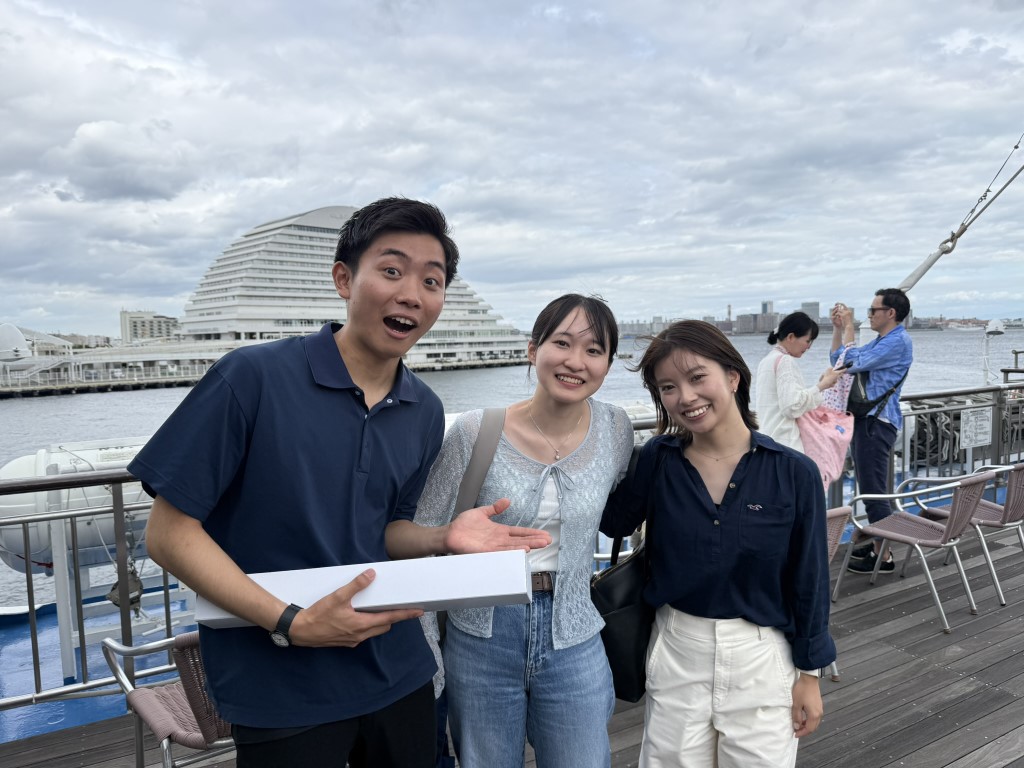
The event offered students a meaningful opportunity to interact with one another and with maritime professionals. Through group activities and conversations with people working in the industry, students were able to connect their academic interests with real-world maritime issues. The event’s connection with the Day of the Seafarer also encouraged participants to reflect on the role of seafarers and on the future of maritime education and training, maritime careers, and the wider maritime and ocean sectors.
IAMU Secretariat extends its sincere appreciation to the organizers, participating maritime professionals, and the Kobe University students who kindly shared their thoughts during the event.
Reported by Shigemi Matsuzak, Coordinator of the IAMU Secretariat
